A peak, a visor and goggles — and what the peak does at speed
The best adventure helmets for 2026
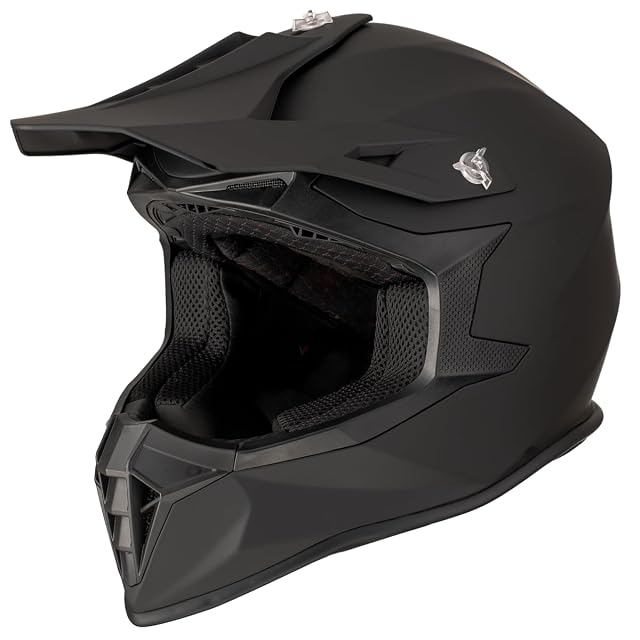
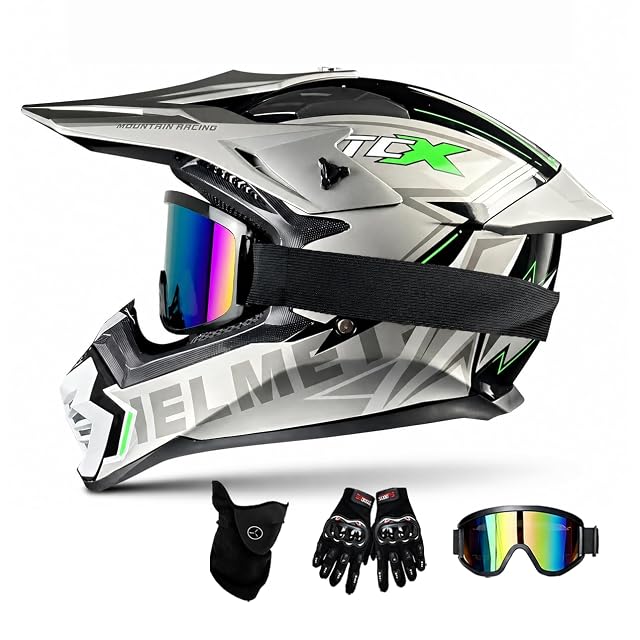
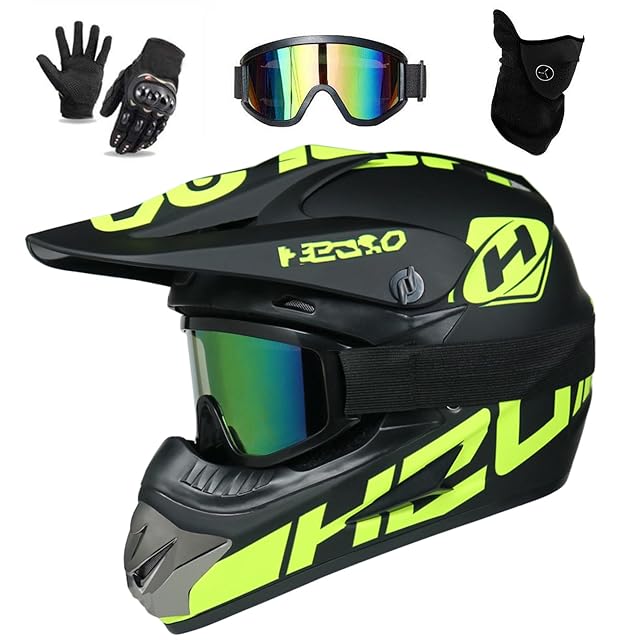
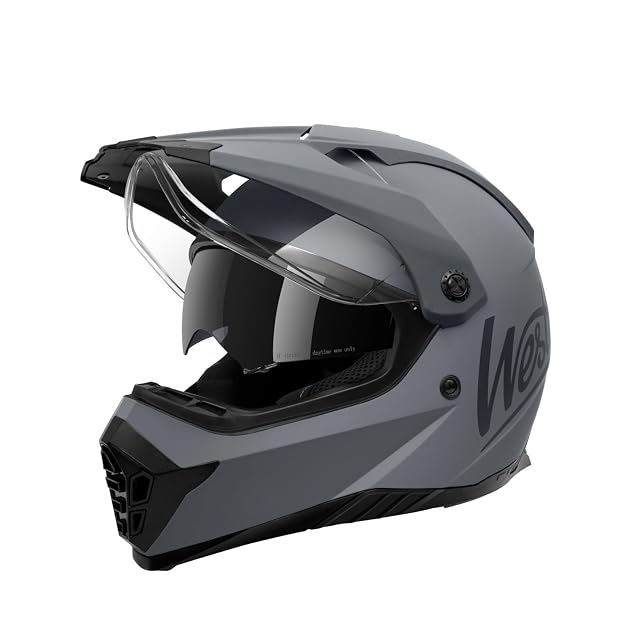
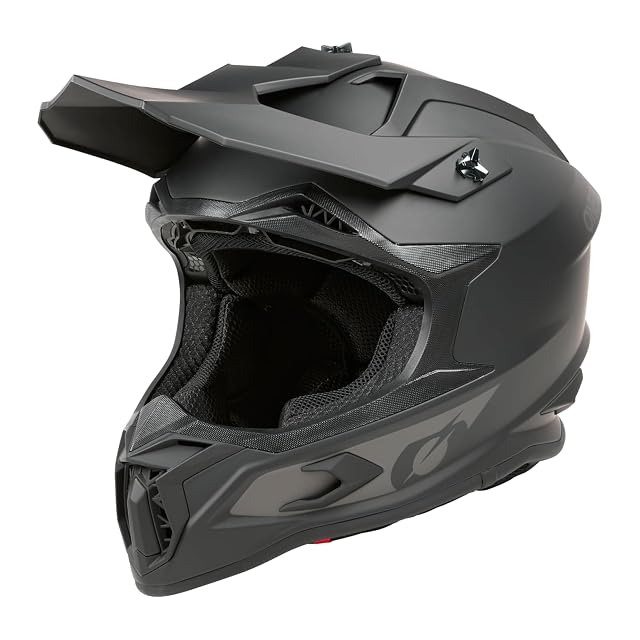
An adventure helmet is a full-face with a peak and, usually, enough room in the eye port to wear goggles instead of the visor. It exists because two kinds of riding are done on the same machine on the same day, and it is judged on how well it converts between them rather than on being the best at either. The first thing to read is the configuration the helmet actually supports, because the marketing photograph rarely tells you. Some models take peak and visor together, some take peak and goggles, some claim all four combinations and need a tool for each change. A helmet that requires a screwdriver at the roadside will be left in whichever configuration it was in when it left the house. The second is what the peak does at speed: it catches air, and above motorway pace it pulls the head. Makers answer that with vents cut through the peak, with a shape that stalls cleanly, or by making it quick to remove — and which of the three a model chose is visible in its own specification. Then ventilation, which on this shape is usually the best of any helmet because the design assumes slow going in warm conditions, and weight, which is usually the worst, because the shell is larger and the peak is real. Finally the eye port: a helmet advertised as goggle-compatible should say which goggle profile it was cut for, and few do. We compare approval and version, supported configurations, peak removal and venting, eye port and goggle provision, ventilation, published weight, shell material and count, and liner removal.