Three layers sold as one, and which of them is fixed
The best textile motorcycle jackets for 2026
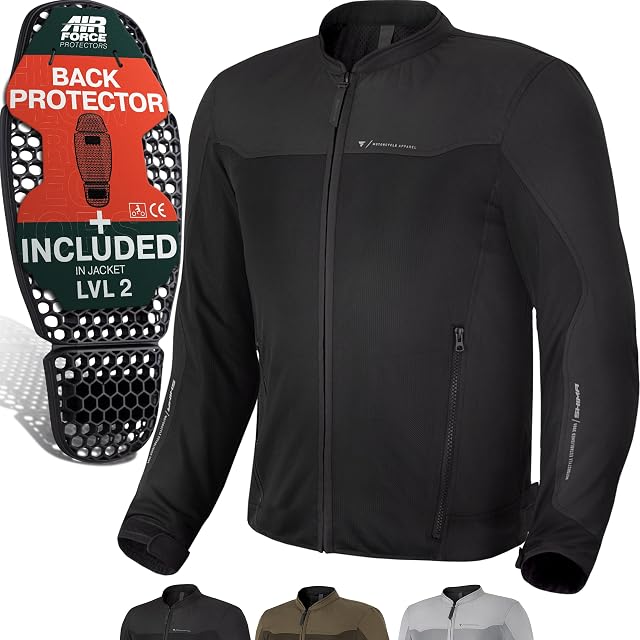
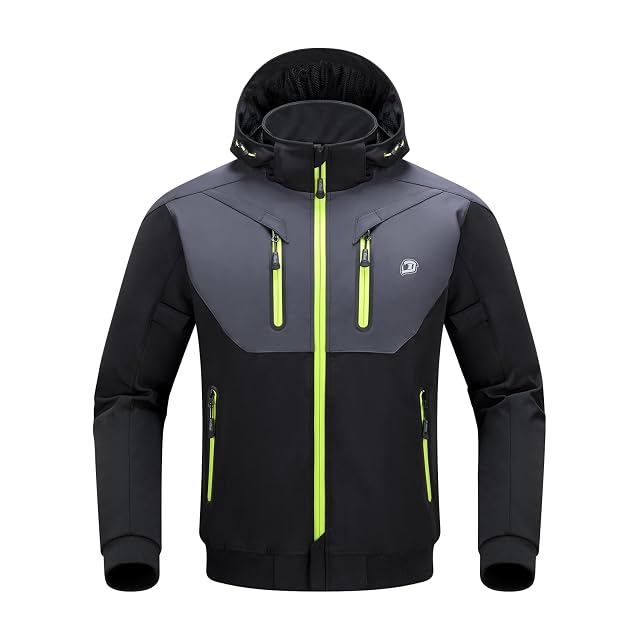
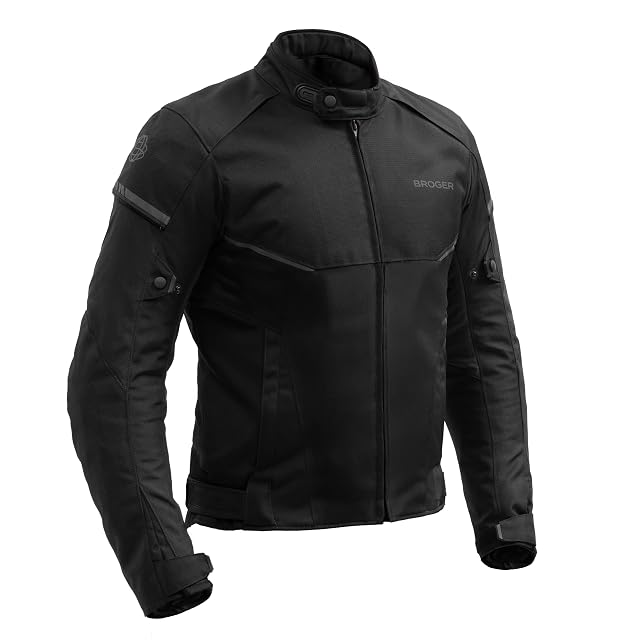
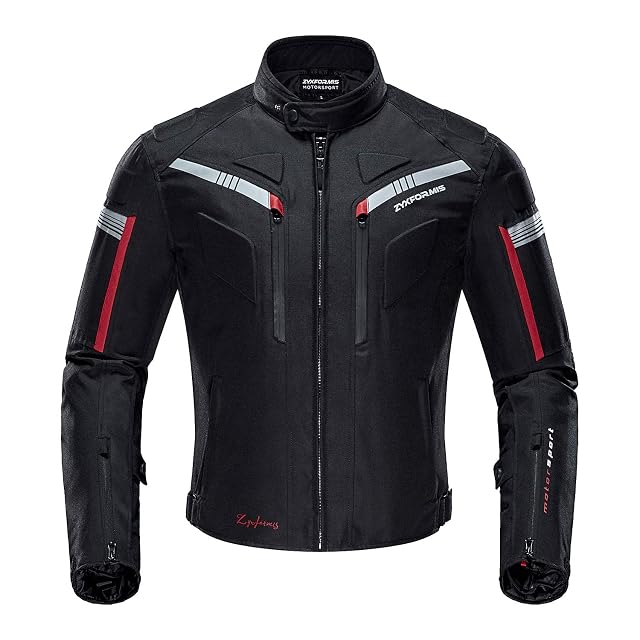
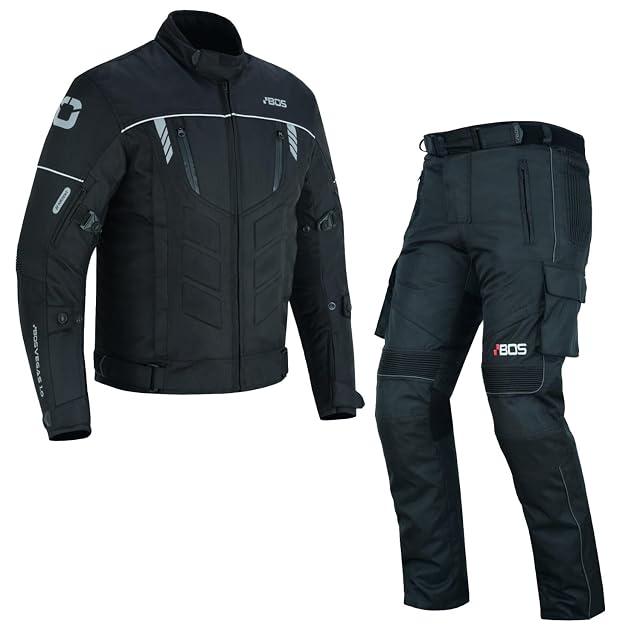
A textile jacket is usually three garments sold as one: an outer shell, a waterproof membrane and a thermal liner. What separates a good one from a poor one is almost never the outer fabric, which photographs identically across a wide price range, but how the three layers relate. A membrane laminated to the shell keeps the outer fabric from soaking, so the jacket stays light in rain and dries quickly; a membrane on a removable inner liner is cheaper, lets the shell wet through, and means stopping to fit a layer that is inside the jacket — which in practice means being wet first. Both are legitimate, and the maker publishes which one it is. Next comes the armour, and two questions are worth separating. What is actually in the jacket when it arrives: shoulders and elbows are usual, a back protector is very often a foam placeholder rather than certified armour, and the maker says so if asked the right way. And what level that armour is tested to under EN 1621 — level 2 transmits less force in the test and is thicker and stiffer, which is a trade-off rather than a verdict. The third thing that decides whether armour matters at all is whether the pockets hold it in place over the joint when the arm is bent; a pocket that lets a shoulder piece slide is a pocket with armour somewhere else. Then the ordinary questions that decide whether a jacket is worn: adjustment at the waist and forearms, venting that can be opened while riding, and a connection zip for trousers. We compare the garment standard cited, armour supplied and its level, membrane construction, thermal liner, pocket placement and adjustment, venting, and published sizes.