A thickness in millimetres, and a seam that has to hold
The best leather motorcycle jackets for 2026
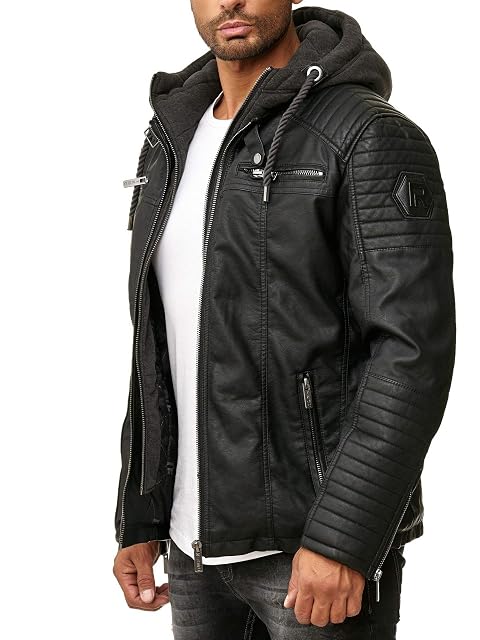
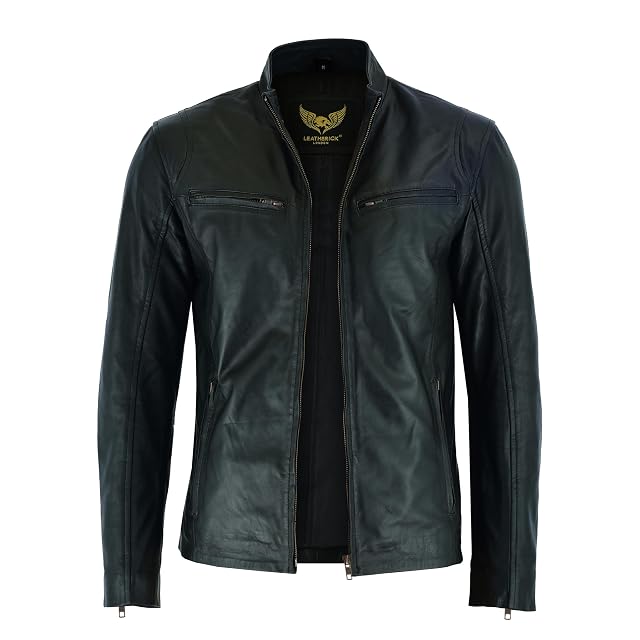
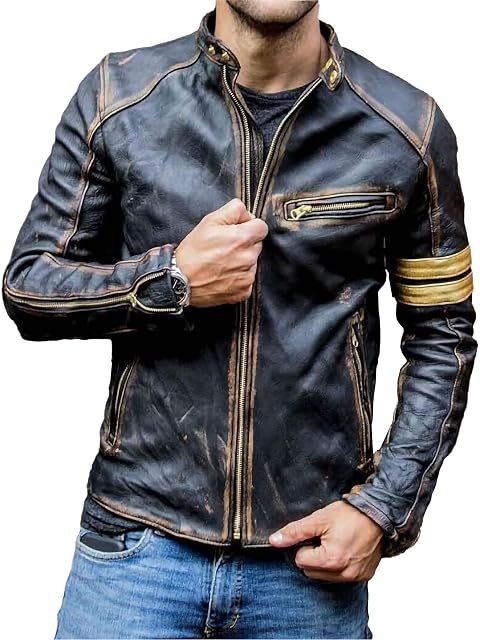
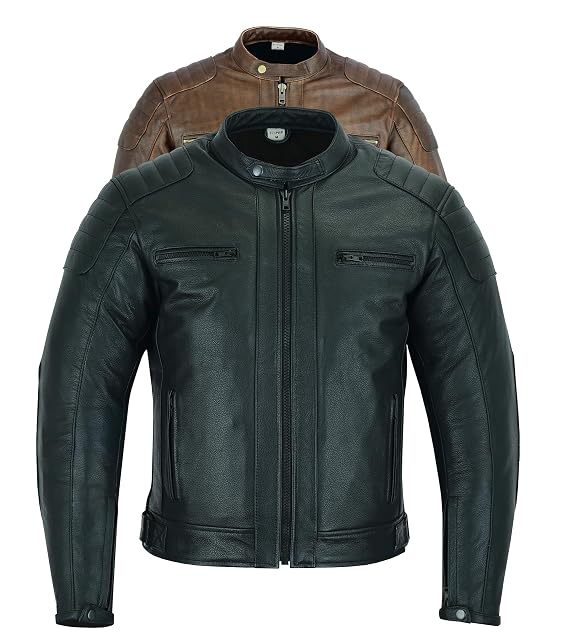
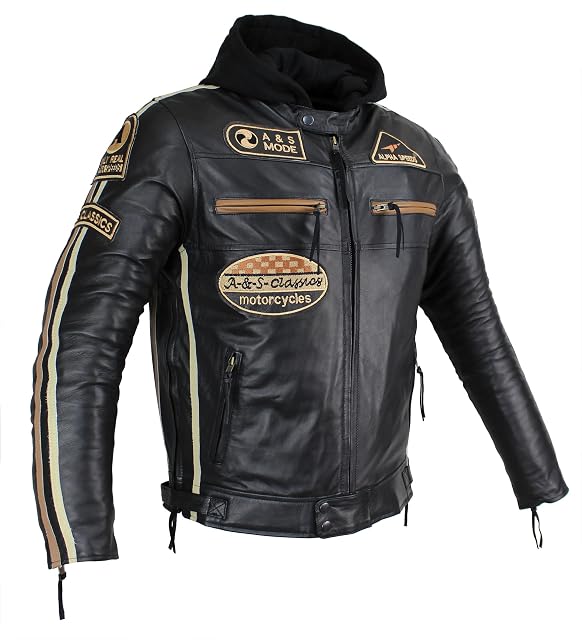
Leather is judged on figures that textile does not have, and they are printed when a maker is confident. The first is the hide and its thickness: cowhide is the usual choice and is quoted in millimetres, most often between 1.1 and 1.4 for a road jacket; goat and kangaroo appear where weight matters more than cost. A thickness written on the specification is a real, comparable number, and its absence is itself informative. The second is seam construction, which is where leather garments actually differ. A seam that is stitched through and left proud has less to give than one that is folded and double-stitched, and a jacket that publishes its main seams as double or triple-stitched has said something a photograph cannot. The third is perforation, which is how a leather jacket becomes wearable in summer and is also a decision about the hide: perforated panels breathe and are, by construction, no longer solid leather. Everything after that is shared with the textile family and asked the same way. What armour arrives in the jacket and to which EN 1621 level, remembering that the level is a measured force and not a grade. Whether the pockets hold that armour over the joint. Whether the garment standard the listing cites is the one for the whole garment or only for the protectors. And whether there is a connection zip, an adjustable waist and a liner that comes out. Leather also has one long-term question that textile does not: whether it is going to be fed and looked after, because a hide that dries out cracks. We compare hide type and quoted thickness, seam construction, garment standard, armour supplied and its level, perforation, lining, adjustment and published sizes.