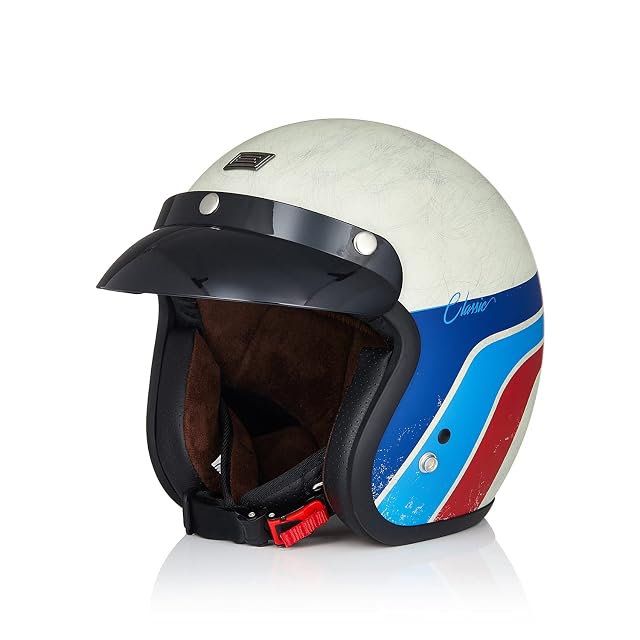
No chin bar, and the approval says exactly that
The best open-face helmets for 2026
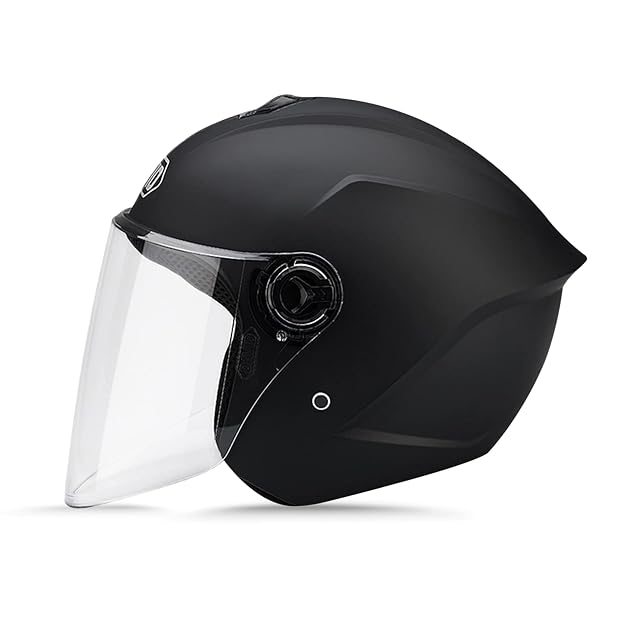
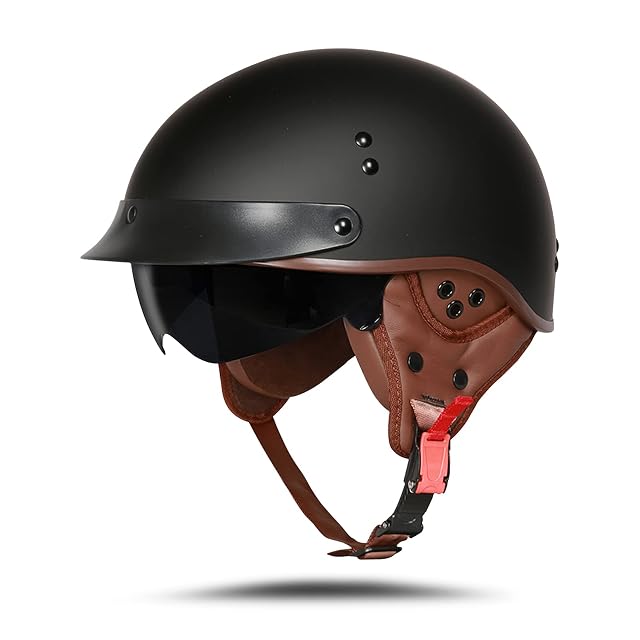
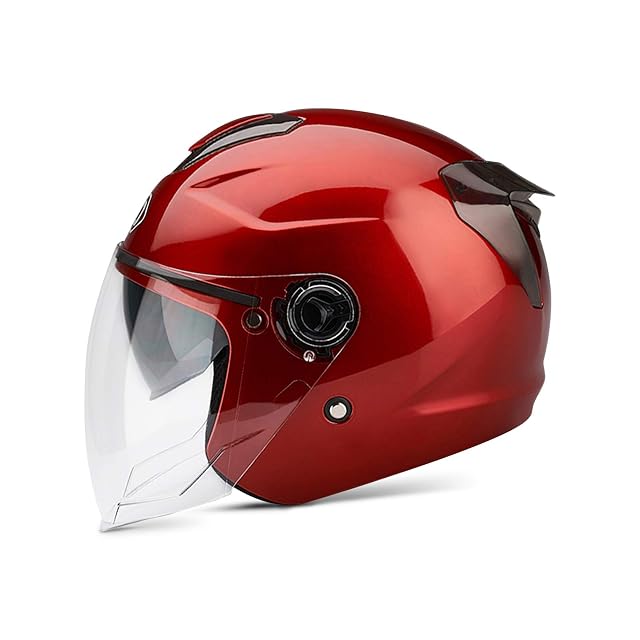
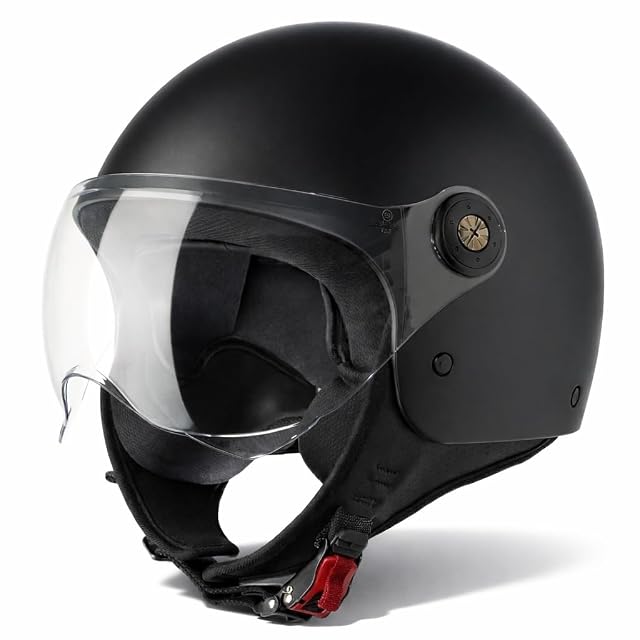
An open-face helmet — a jet — covers the skull, the ears and the back of the neck, and stops where a chin bar would start. That is not an omission to be explained away: it is the product, and the approval reflects it. A jet is tested and approved as a jet, and the standard does not pretend a chin bar is there. What follows from the shape is a set of trade-offs worth stating plainly rather than arguing about. Visibility is wider at the edges and the sensation of open air is the reason most people choose one. In exchange, nothing covers the face, the wind reaches the chin and the noise at speed is higher than in a closed helmet. The figures that separate one jet from another are mostly about coverage and closure. How far the shell comes down at the temples and the nape, which varies a great deal between models that photograph identically. Whether the model takes a visor, a peak, both or neither, and whether that visor is a brand-specific part or a generic three-snap fitting — the latter is cheap and universal, the former is usually better sealed and harder to replace in three years. Whether there is a drop-down sun shade, which on this shape does more work than on any other, since the eyes are exposed. Then the ordinary questions: shell material and count, published weight, whether the liner comes out, and whether there is a recess for an intercom. We compare approval and version, shell material and count, coverage, visor or goggle fitting, sun shade, published weight, liner removal and intercom provision.