Protection where the hand lands, and air everywhere else
The best summer motorcycle gloves for 2026
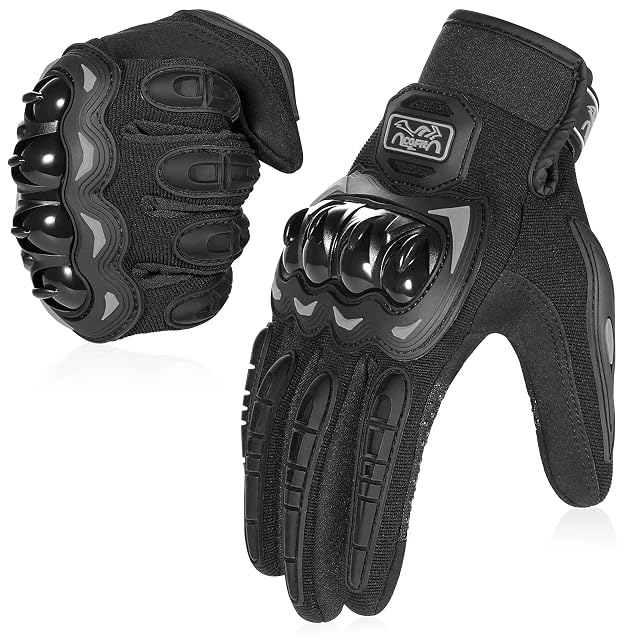
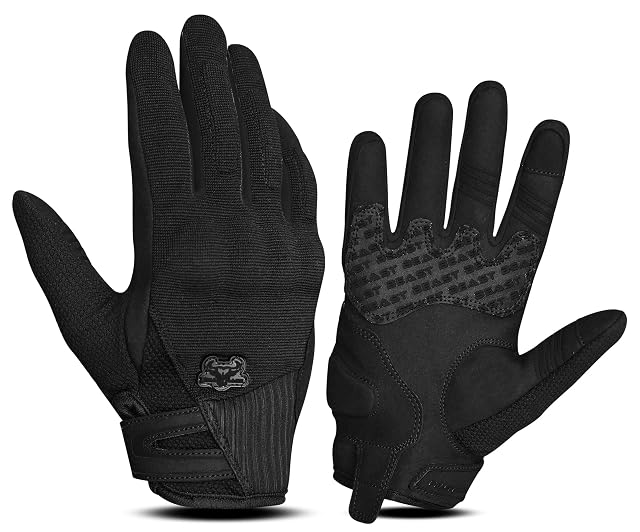
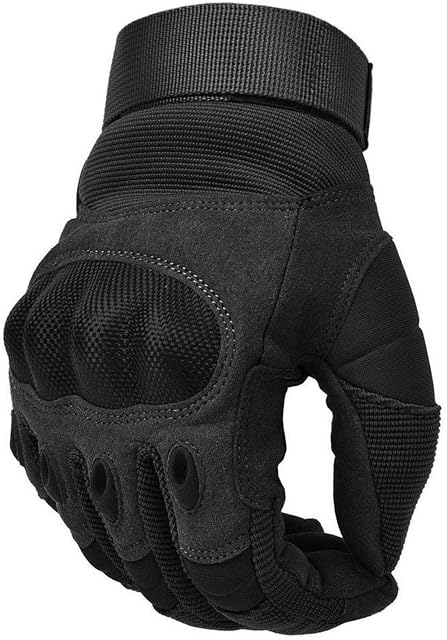
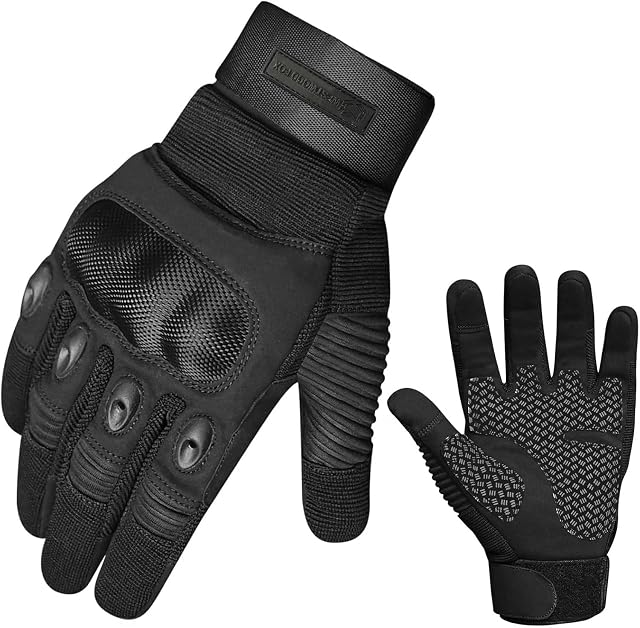
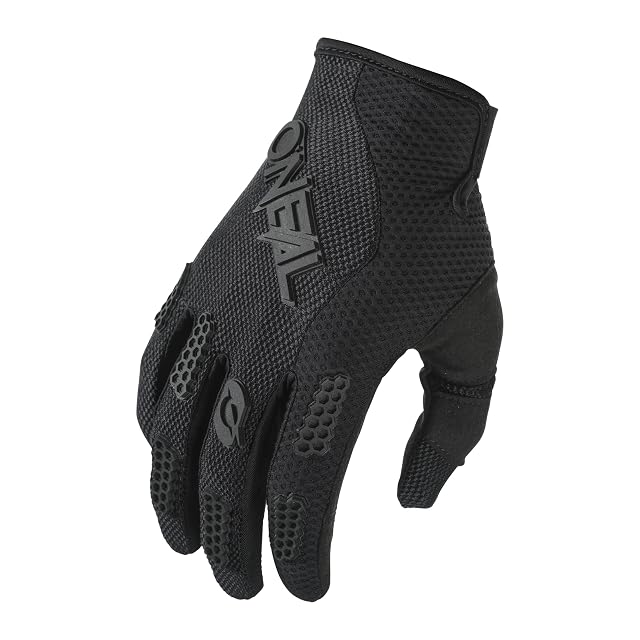
A summer glove has to do two things that pull against each other: protect a hand that instinctively goes out first, and let enough air through to be bearable at a standstill in August. The standard to read is EN 13594, which tests gloves and publishes a level — and, as everywhere on this site, the level records what a sample did in defined tests rather than what will happen to a hand. What the level does not tell you is where the protection is, and that is worth reading separately. Palm construction is the part that matters most and is discussed least: a palm with a second layer of leather at the heel of the hand, or with a slider at the base of the thumb, is built for the way a hand actually contacts the road. Knuckle protection varies from a moulded plastic shell to a soft foam pad, and the two photograph similarly. Finger construction — whether the little and ring fingers are joined, whether the seams are inside or outside — decides both feel and durability. Then the summer-specific parts. Perforation, which is the whole reason this family exists and is a real construction choice rather than a coating. Cuff type, short and under the sleeve or long and over it, which changes how the glove is fastened and whether it can be pulled off in a slide. And touchscreen tips, which are now nearly universal and vary greatly in whether they still work after a season. We compare the EN 13594 level cited, palm construction and sliders, knuckle protection, finger construction, perforation, cuff type, touchscreen provision and published sizing.