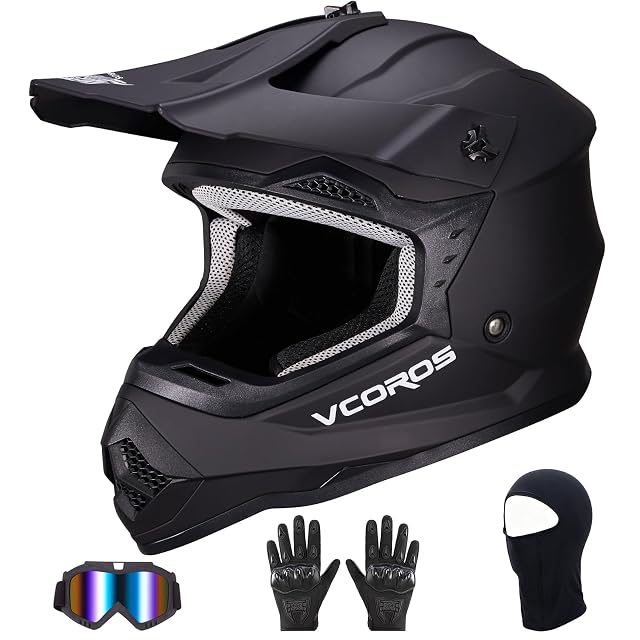
Goggles by design, and a chin bar pushed forward
The best motocross helmets for 2026
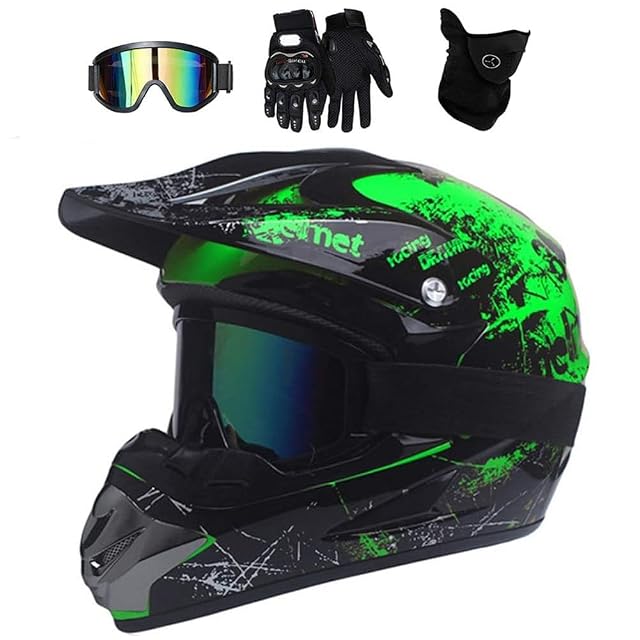
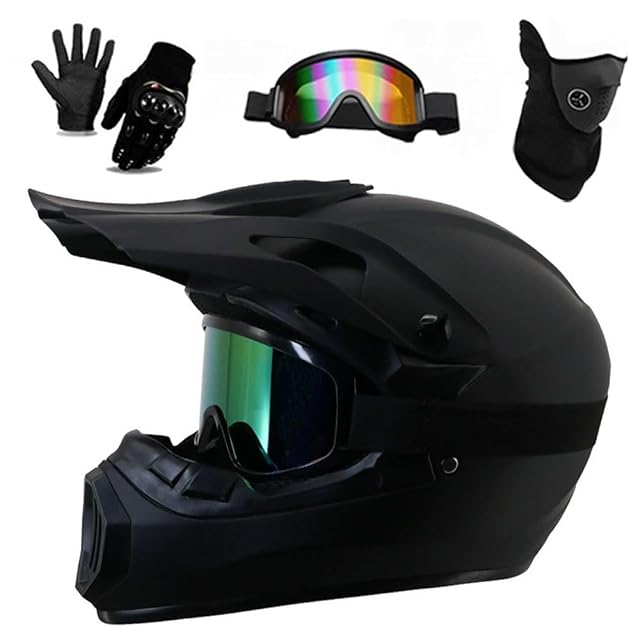
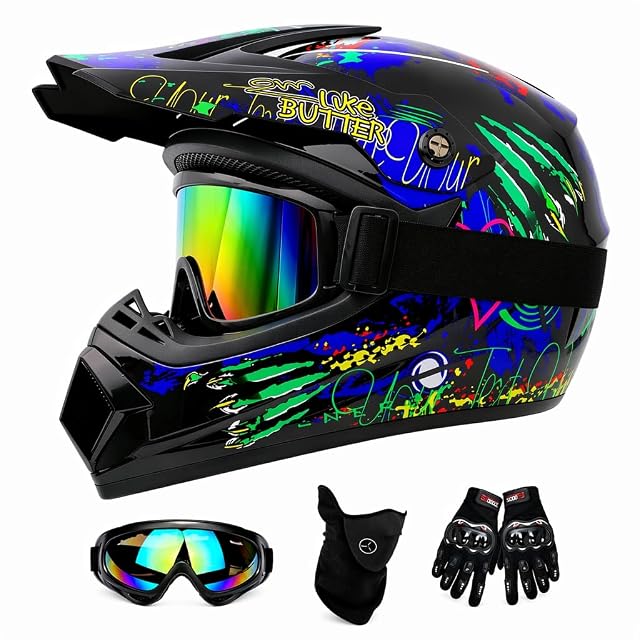
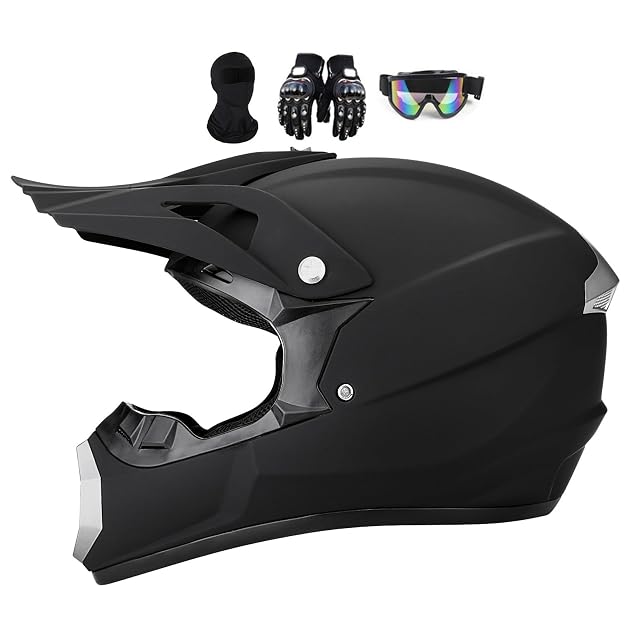
A motocross helmet is built around two decisions the other shapes do not make: there is no visor, and the chin bar is pushed forward and down. The first means goggles are not an accessory but the eye protection the helmet was designed with, and the eye port is cut for them. The second means there is room to breathe hard, which is the point — this is a helmet for riding standing up, working, and taking in a great deal of air. That shapes every figure. Ventilation is the most aggressive of any helmet on this site, with large intakes and exhausts that generally do not close, because the design assumes effort rather than motorway cruising. Weight is kept low with more expensive shells more often than in any other family, and the difference between a thermoplastic shell and a carbon one is felt in the neck within an hour. Shell count matters for the same reason as elsewhere but more sharply, since the shape is bulky to begin with. Two details are specific to the family and worth looking for by name. Emergency cheek pads, which have pull tabs so that the pads can be extracted with the helmet still on the rider’s head — a feature published by the maker, not a claim about outcomes. And peak adjustment, which sets where roost and sun go and is set by the rider rather than by the maker. We compare approval and version, shell material and count, published weight and the size it was weighed at, ventilation, eye port and goggle provision, peak adjustment, liner removal and emergency cheek pads.