Insulation, a membrane, and the feel that both cost
The best winter motorcycle gloves for 2026
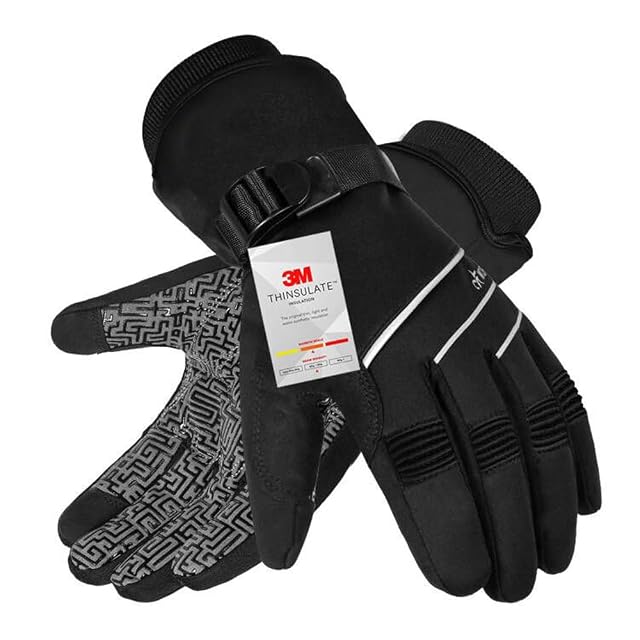
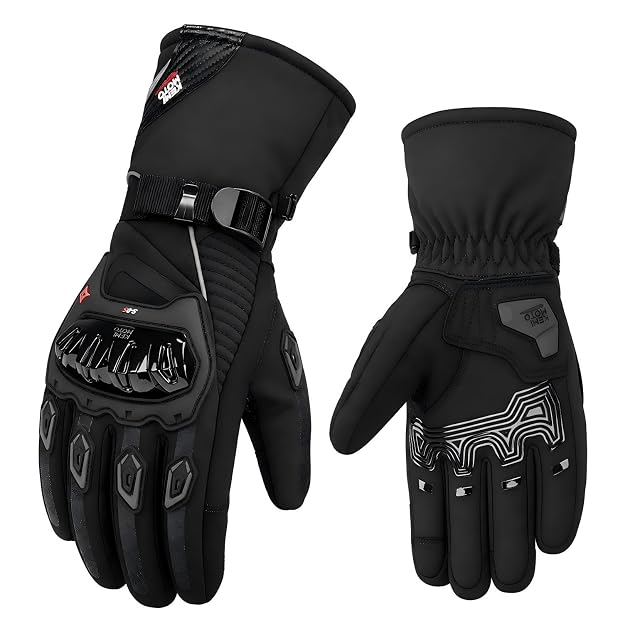
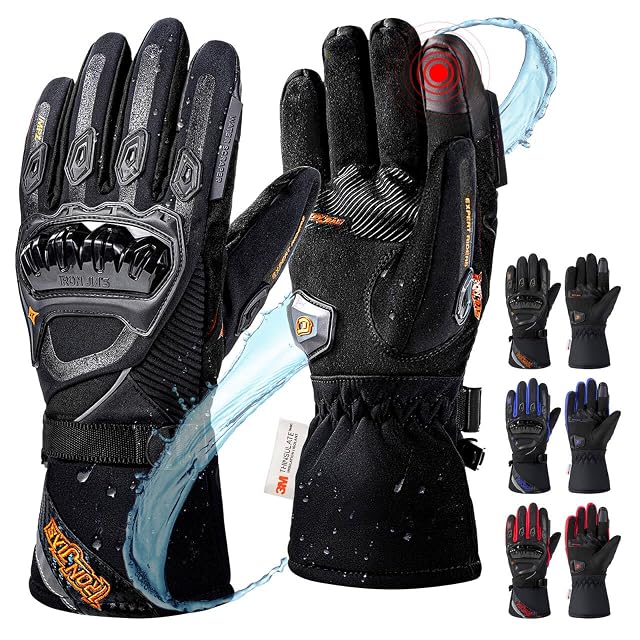
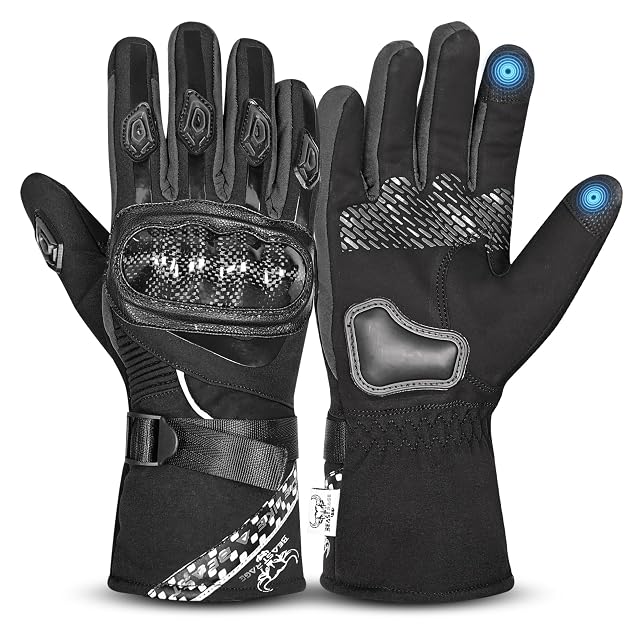
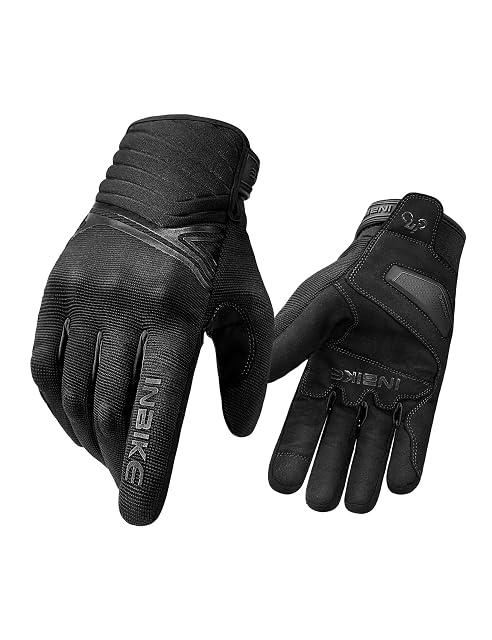
A winter glove adds two layers to a summer one — a waterproof membrane and insulation — and everything that follows is about what those two layers cost. The first cost is feel: every millimetre between the fingers and the controls makes the brake lever and the indicator switch harder to find, and a glove that is warm at 3 °C and cannot work a switch is a glove that gets taken off at every junction. The second is bulk at the cuff, which decides whether the glove goes over or under a jacket sleeve and whether the join actually keeps water out. The membrane deserves reading carefully: a glove with a membrane laminated to the outer will stay lighter when wet, while one with a membrane on an inner liner will soak the outer and stay heavy — and a glove whose lining pulls out with the hand is a glove that cannot be put back on with cold fingers, which is why lining retention is published by makers who have solved it. Insulation is quoted by brand name more often than by weight, so it is treated here as something to confirm rather than a comparable figure. The protective side is read exactly as in the summer family: an EN 13594 level, which records defined tests, and the placement of palm and knuckle protection, which the level does not describe. Two winter-specific details are worth naming because they are genuinely useful: a visor wiper on the left index finger, and a cuff long enough to seal over a jacket rather than meeting it. We compare the EN 13594 level cited, membrane construction, insulation, cuff length and closure, lining retention, visor wiper, palm and knuckle protection and published sizing.