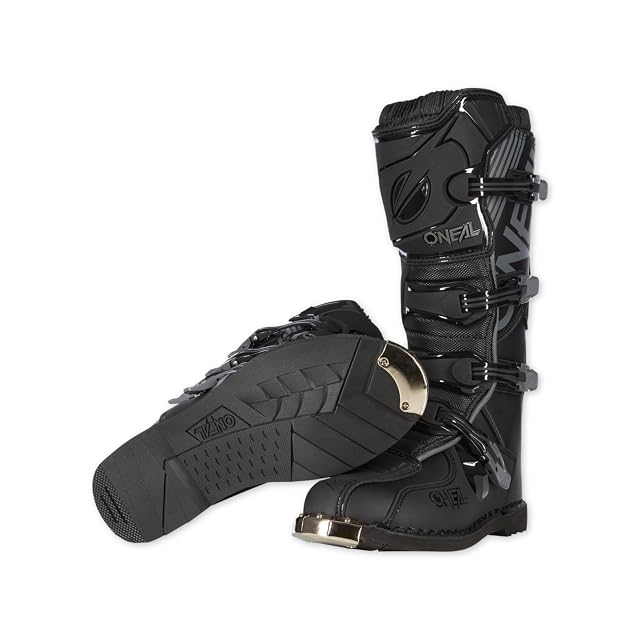
Above the ankle, and what the standard tests there
The best touring motorcycle boots for 2026
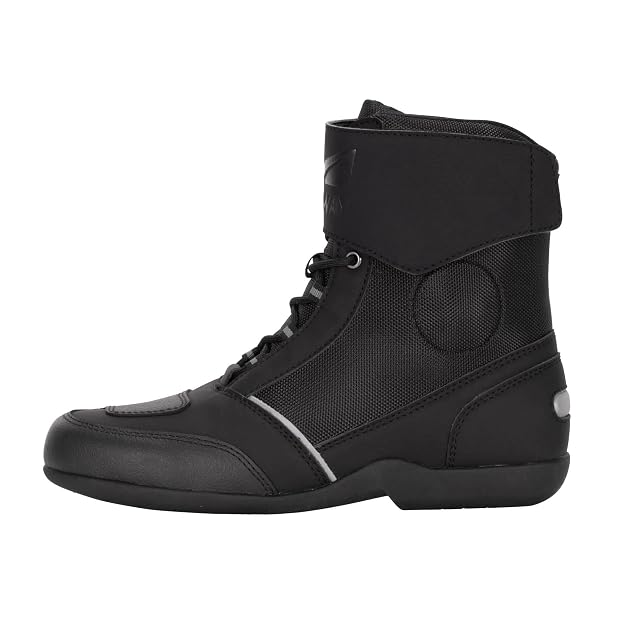
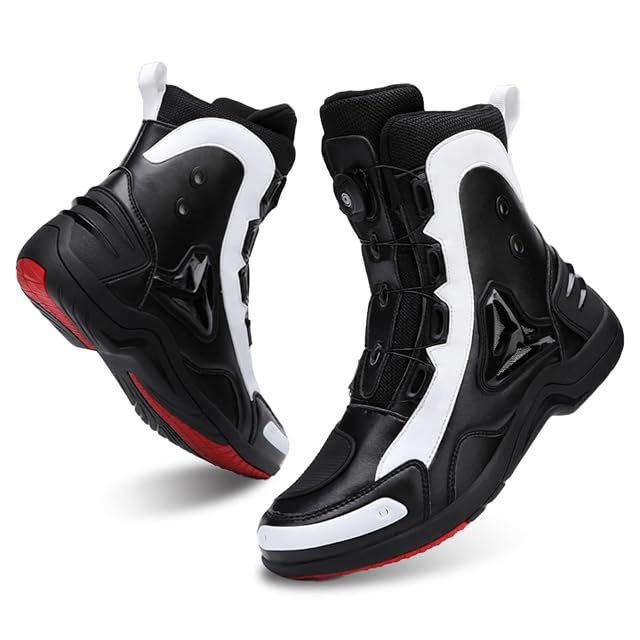
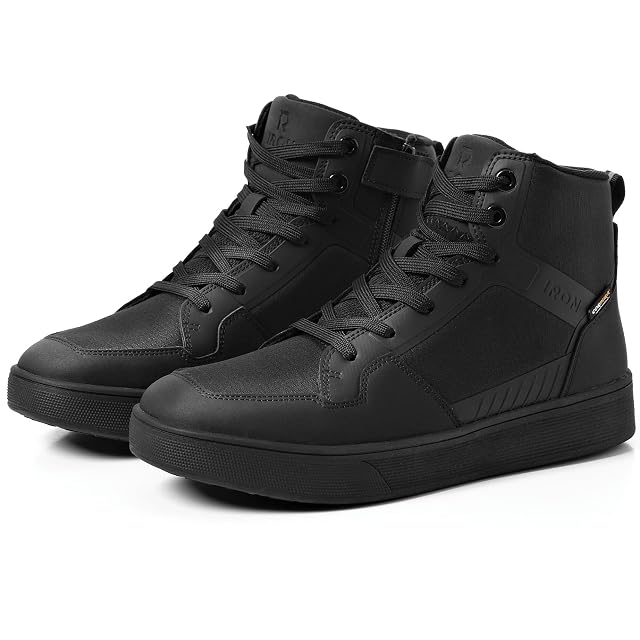
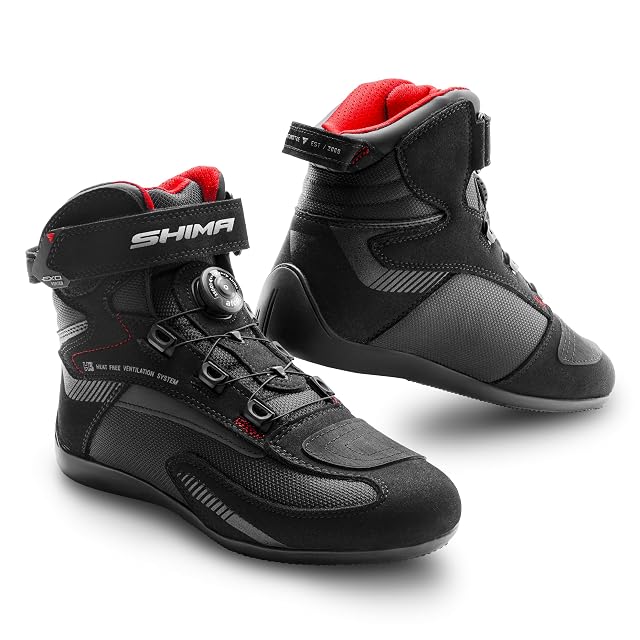
A touring boot comes above the ankle and is built to be worn all day, off the machine as well as on it. The standard to read is EN 13634, which tests footwear for motorcyclists and publishes levels across several separate properties — height, abrasion, cut resistance, transverse rigidity, impact at the ankle. That last point is worth pausing on: the standard does not give one score, it gives a set, and a boot can be level 2 on one property and level 1 on another. A listing that quotes a single number has summarised something that is not a single number. Beyond the standard, three construction choices decide whether a boot is any good for touring. The sole, which has to be stiff enough to stand on a peg for an hour without the arch complaining, and soft enough to walk in when the ride ends — makers who have thought about it publish a stiffness or a sole type. The closure: laces, buckles, a ratchet, a zip with a flap, or a combination, and whether it can be worked with gloves on. And the membrane, which on a boot is more consequential than on a jacket, because a wet foot stays wet for the rest of the day. Then the details a rider notices in the first week: a shift pad on the left toe, a reinforced heel, a gusseted tongue, and whether the boot fits over or under the trousers. We compare the EN 13634 levels cited, ankle protection, sole type and stiffness, closure, membrane, shift pad and published sizing.