One shell, one approval, and an inside nobody publishes
The best full-face helmets for 2026
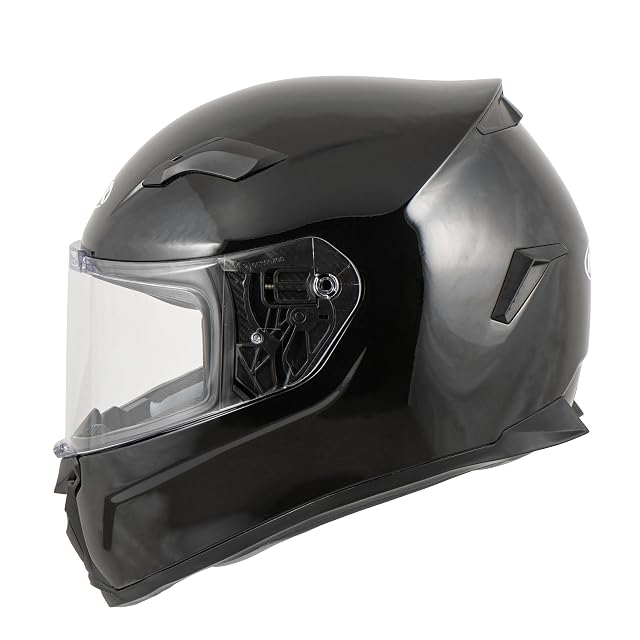
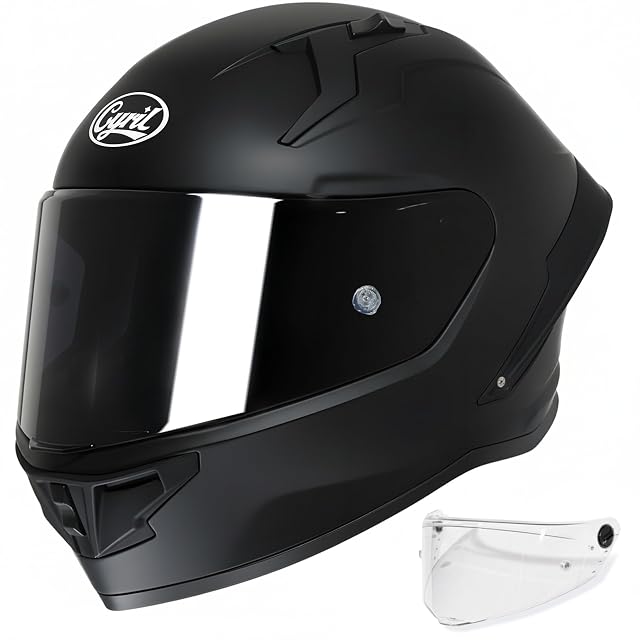
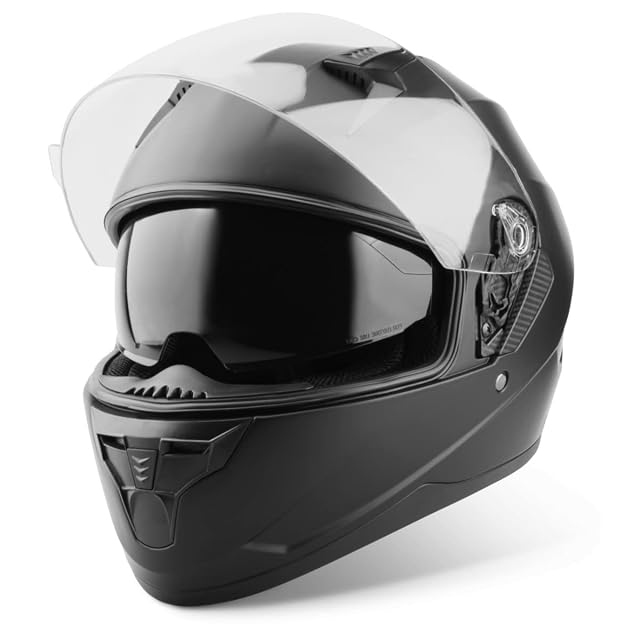
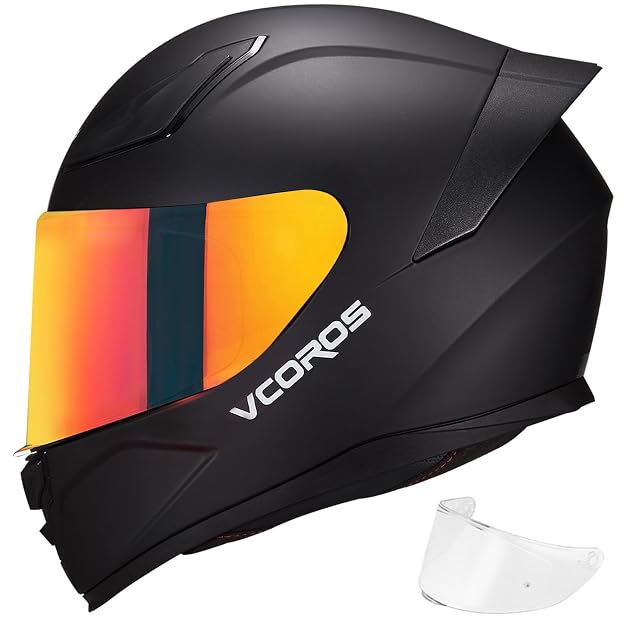
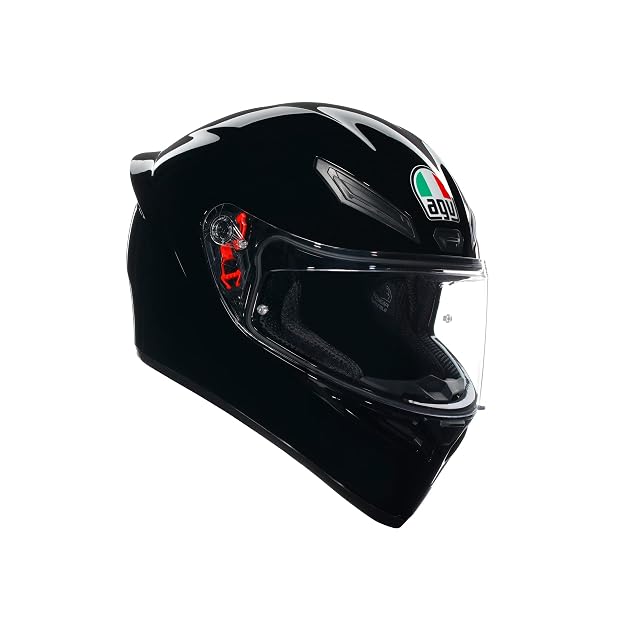
A full-face helmet is one piece: a shell, an energy-absorbing liner, a chin bar and a visor, with no hinge anywhere in the structure. That single decision is what makes it the reference against which the other four shapes are judged, and it is also why the specification sheet matters less than people expect. The figure that gets printed largest is the approval, and it deserves reading carefully rather than trusting: ECE 22.06 records that a sample of that model went through defined impacts, at defined points, at defined speeds, and stayed within defined limits. It is a real, repeatable measurement, and it is not a statement about any particular crash. Two helmets carrying the same mark are not equivalent, and the mark is not a ranking. What separates them in use is elsewhere. Shell material — thermoplastic, fibreglass composite, carbon — decides weight and, with it, how a neck feels after three hours. Shell count matters more than the material: a maker offering three shell sizes across a size range fits a small head in a small shell, while a maker with one shell pads a small head into a large one, and the result is a helmet that is heavier and sits higher than it should. Then ventilation, which is judged by how many vents actually close, and the liner, which is judged by whether it comes out and washes. Finally the part almost nobody checks before buying and everybody needs eventually: whether visors and cheek pads for that model are still catalogued three seasons on. We compare approval and its version, shell material, number of shell sizes, published weight and the size it was weighed at, ventilation, visor fitting and available spares, liner removal, and intercom provision.