A transmitted force, measured on a rig
The best back protectors for 2026
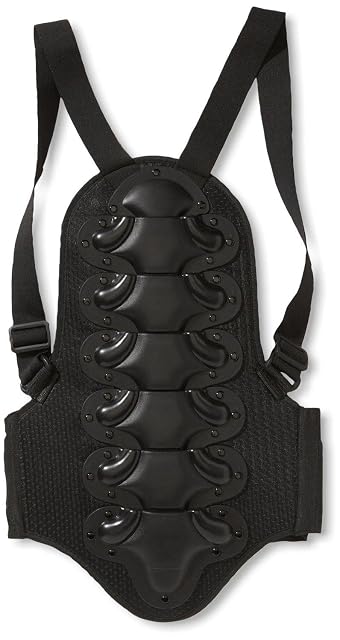
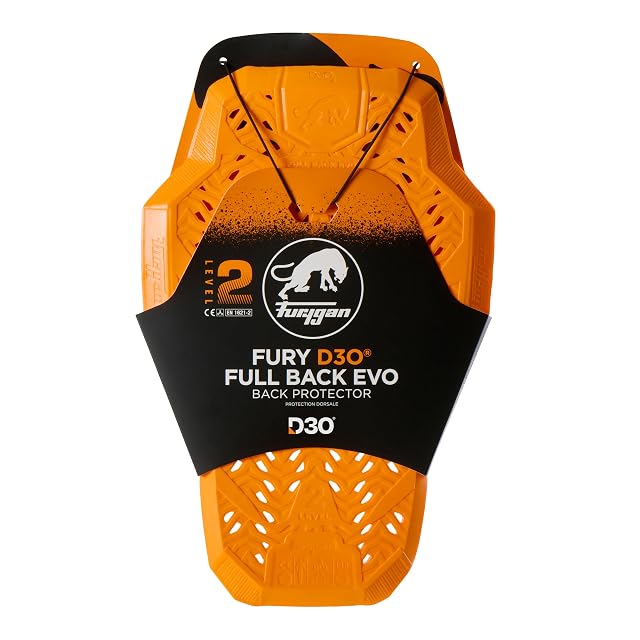
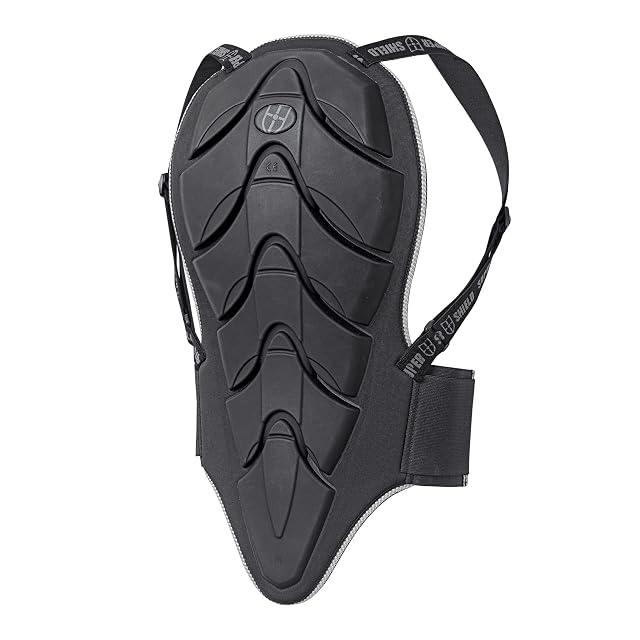
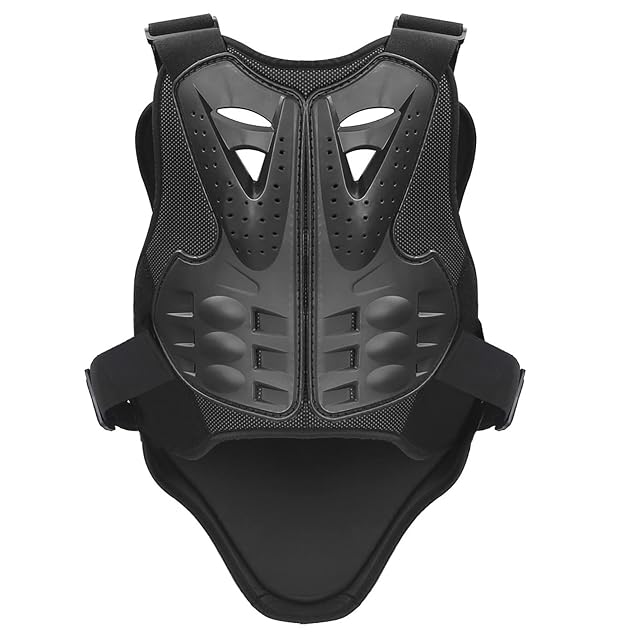
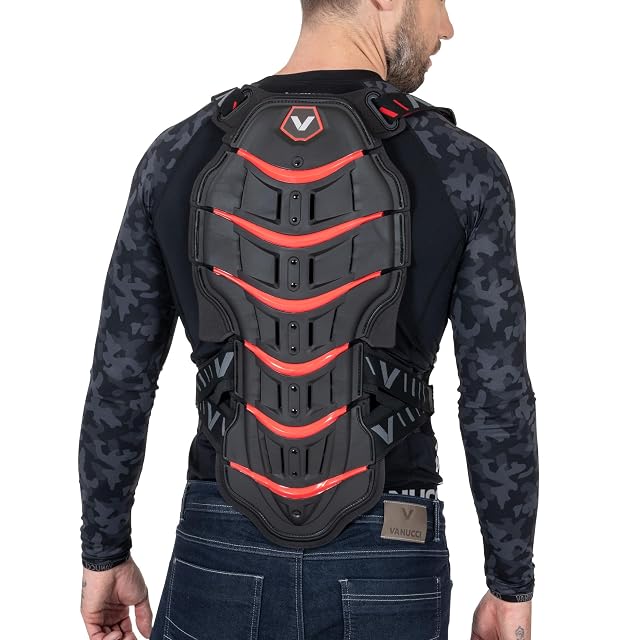
A back protector is the clearest case on this site of a figure that means something precise and is read as meaning something else. EN 1621-2 measures a force transmitted through the protector to a sensor beneath it, under a defined impact, on a rig. Level 1 and level 2 are thresholds in that measurement. Level 2 transmits less force in the test — and, because the way to transmit less is usually more material, a level 2 protector is thicker, stiffer and warmer than a level 1. That is a trade-off between two real things, not a ranking, and a protector that is too bulky to be worn under a jacket is not the safer choice for a rider who then leaves it at home. The standard also distinguishes two types: type B covers the back over a defined area, type FB adds the shoulders and the lower back. Coverage is published as a size and matters more than most people expect, since a protector sized for a shorter torso leaves the lower back uncovered. How the protector is fitted is the second decision. An insert slides into a jacket pocket and only works if that pocket exists and is the right size — the maker publishes both. A harness is worn independently, over or under the jacket, and stays where it is put regardless of what is over it. Then the practical figures: ventilation, and how flexible the protector is when the rider is tucked, which decides whether it is tolerable for three hours. Thickness is the figure that would settle whether a protector fits a given jacket pocket, and no maker on this page puts it in millimetres — which is why it is not a column here. We compare the EN 1621-2 level and type cited, coverage, fitting method, ventilation, flexibility and published sizing.