Skip to content

Back protector or airbag vest?

Both protect the back, in very different ways. One is always there and never needs resetting; the other covers more of the body but must be triggered and rearmed.

Two approaches

A back protector is a plate or foam pad certified to EN 1621-2. It absorbs and spreads an impact on the spine every time, with no action from you. An airbag vest inflates when you separate from the bike and cushions a larger area: the neck, spine, chest, ribs and hips.

Back protectors

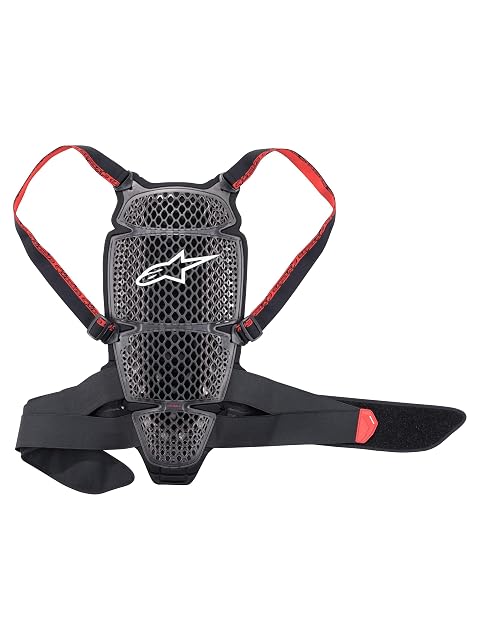
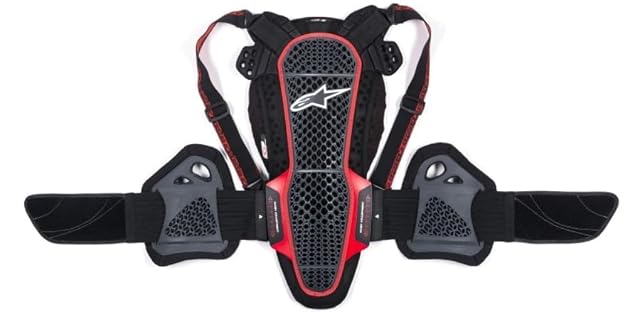
The Alpinestars Nucleon KR-3 is Level 2 and sized by back length. The KR-Cell is Level 1, lighter and well ventilated. Both strap on, so they work with any jacket.

Lanyard airbags

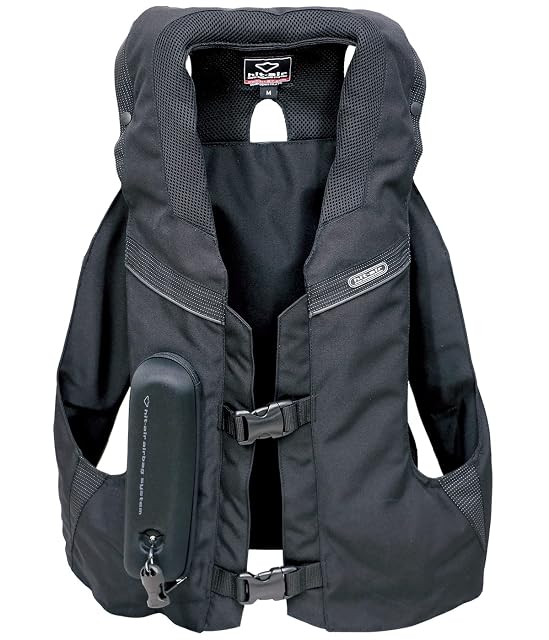
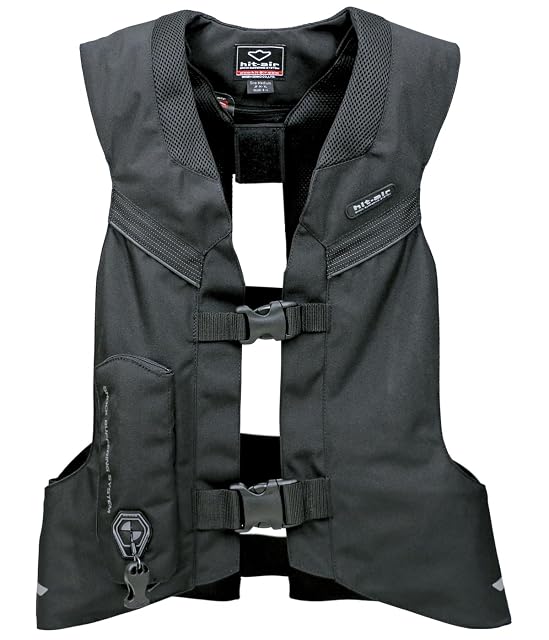
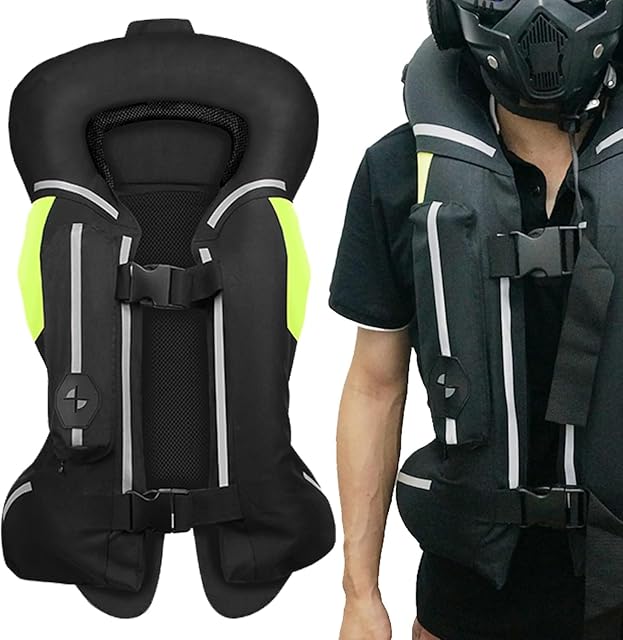
Every airbag vest here uses a lanyard clipped to the bike. When you leave the seat, the lanyard fires a CO2 cartridge. There is no battery, but you must clip in every ride and unclip before getting off. The Hit-Air MLV2 states CE certification and ships with its cartridge; the VHR Slim is lighter; the TRGGBH is the budget option but needs a gas cylinder bought separately.

What to choose

If you can buy one, a certified strap-on back protector protects every ride. If you can buy both, add an airbag vest over your jacket for the neck and chest. Commuters who forget lanyards should start with the back protector.

Our picks

Alpinestars KR-3 for maximum back protection, KR-Cell for summer, Hit-Air MLV2 as the airbag to buy, VHR Slim for less bulk and TRGGBH to try an airbag cheaply.

The picks, and why they run in that order

  1. Alpinestars Nucleon KR-3

    Strap-on back protector · CE Level 2 · lattice polymer shell with viscoelastic PU foam · three back lengths · 2.9 lb listed

    The Nucleon KR-3 is Alpinestars’ CE Level 2 strap-on back protector: a lattice polymer shell over viscoelastic PU foam, extra Nucleon foam and a convex shell over the spine, offered in three waist-to-shoulder lengths.

    Best for: An off-road or sport rider who wants the highest level of strap-on back protection and a length matched to the torso.

    8.4/10

    ≈ $270

  2. Alpinestars Nucleon KR-Cell

    Strap-on back protector · EN 1621-2:2014 Level 1 · injected grid plate · three-panel design · removable shoulder straps · 700 g listed

    Alpinestars’ Nucleon KR-Cell is a strap-on back protector certified to EN 1621-2:2014 Level 1, with a perforated injected grid plate, a three-panel shape that follows the spine and removable shoulder straps.

    Best for: A road rider who wants a certified strap-on back protector that covers more than a jacket insert and breathes in summer.

    7.8/10

    ≈ $150

  3. Hit-Air MLV2

    Lanyard-triggered airbag vest · CE certified · protects neck, spine, chest, ribs and hips · CO2 cartridge installed · reusable · 635 g listed

    Hit-Air’s MLV2 is a CE-certified, lanyard-triggered airbag vest that inflates within milliseconds when the rider separates from the bike, covers the neck, spine, chest, ribs and hips, and rearms with a new CO2 cartridge.

    Best for: A rider who wants airbag protection that works with the jackets already in the closet and needs no batteries or charging.

    8.0/10

    ≈ $659

  4. Hit-Air VHR Slim

    Slim airbag vest and harness · neck, spine, ribs and hips · Velcro reset · 50cc (S, M) or 60cc (L) canister · LUMIDEX reflective strips · 454 g listed

    Hit-Air’s slimmest airbag, about $599: a harness-style vest covering the neck, spine, ribs and hips, a full Velcro closure for a quick reset after inflation, 50cc or 60cc canisters by size and LUMIDEX reflective strips.

    Best for: A rider who finds full airbag vests bulky and wants the lightest Hit-Air harness, with good visibility.

    7.3/10

    ≈ $599

  5. TRGGBH Airbag Vest

    Lanyard airbag vest · 0.18 s deployment stated · CE back protector built in · 600D Oxford and mesh · reflective strips · gas cylinder not included

    A budget airbag vest, about $140, with a stated 0.18-second deployment, a built-in CE-certified PE back protector, a 600D Oxford and mesh shell and reflective strips. The gas cylinder is sold separately.

    Best for: A rider curious about airbag vests on a tight budget, who understands the cylinder must be bought and fitted before use.

    7.7/10

    ≈ $140

The questions that come up first

Is an airbag vest better than a back protector?

It covers more, adding the neck, chest, ribs and hips, but only if it fires. A back protector works every time without any action from you. They complement each other.

Can I wear both?

Yes. A strap-on back protector goes under the jacket and a lanyard airbag vest over it. The TRGGBH vest even includes a CE back protector.

What happens after an airbag deploys?

Replace the CO2 cartridge and repack the vest. Hit-Air says no special tools are needed. Keep a spare cartridge of the right size.

How much does each cost?

On this site, strap-on back protectors cost about $150 to $270 and airbag vests about $140 to $659.

Each helmet, and the road under it

Hit-Air MLV2 · $659

For riding: A rider who wants airbag protection that works with the jackets already in the closet and needs no batteries or charging.

Its main strength here: Cartridge installed, ready to ride

Its main limit here: About $659

Read the full review: Hit-Air MLV2 →

Hit-Air VHR Slim · $599

For riding: A rider who finds full airbag vests bulky and wants the lightest Hit-Air harness, with good visibility.

Its main strength here: Lightest Hit-Air here at 454 g listed

Its main limit here: Only six ratings, at 3.1 stars

Read the full review: Hit-Air VHR Slim →

TRGGBH Airbag vest · $140

For riding: A rider curious about airbag vests on a tight budget, who understands the cylinder must be bought and fitted before use.

Its main strength here: About a quarter of the price of a Hit-Air

Its main limit here: Gas cylinder not included

Read the full review: TRGGBH Airbag vest →

What each band of spending protects

The call in one line

Comparisons that help decide

Helmet against helmet, where that comparison already exists on the site.

How this page is sourced

The helmets and gear here come from the catalog of this site. Specifications come from the manufacturer and from the Amazon listing; prices are what Keepa reported on the date below, and both move. The order rests on declared specifications, on the balance of stated strengths and stated limits, and on price. Nothing here has been worn or ridden in by us, and no page pretends otherwise.

Last checked on

Nothing written into the text below is a current price. Where an amount appears in a sentence, it is the reading taken on the day that sentence was written; what a shop is asking at this moment loads beside the product itself, and that is the figure to go by.