Helmets
Buying your first helmet
A helmet is the one purchase where the listing tells you least and the label tells you everything.
By Jean-Benoit Buisson
The two things that decide it, and neither is in a listing
The approval marking. It is on a label sewn to the retention strap — the standard, the approval number, the country. Read it before the helmet is worn rather than after.
The fit. Snug enough that the cheek pads press and the helmet moves your scalp rather than sliding on it. No hot spot you can still feel after twenty minutes. Shell shapes differ between makers more than size charts admit, and no chart resolves it.
What the families actually trade
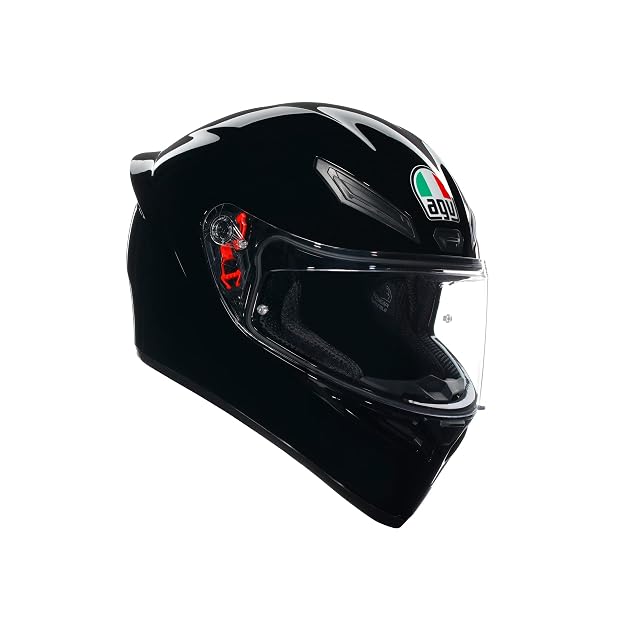
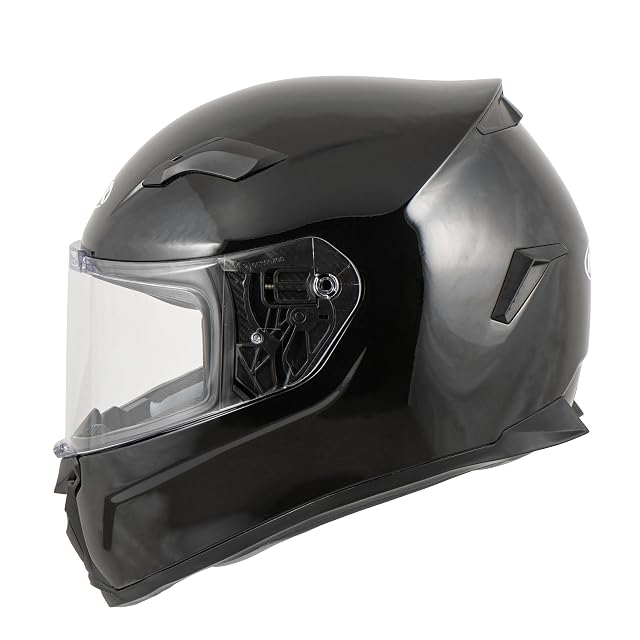
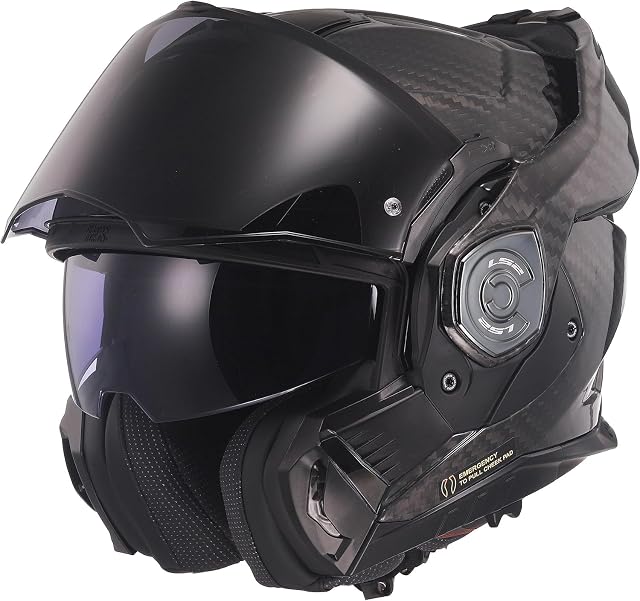
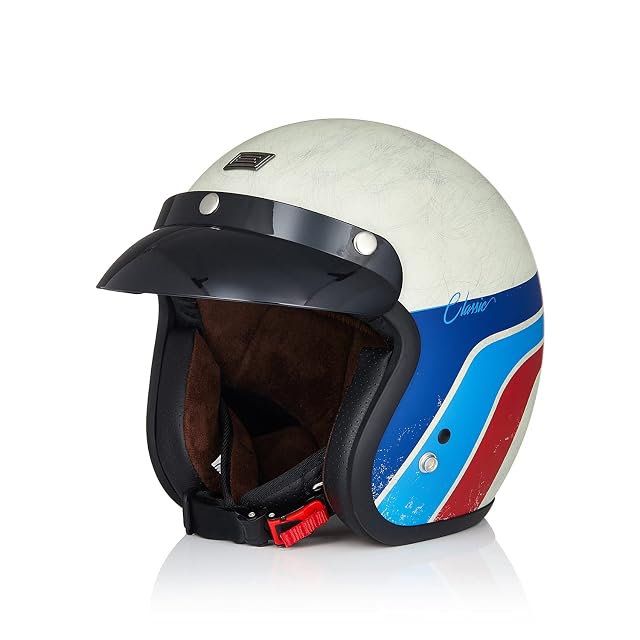
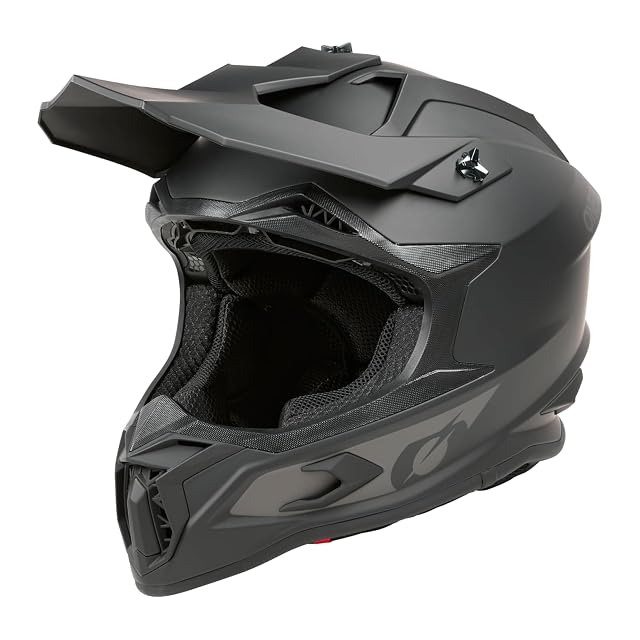
A full-face covers the chin. A flip-up lifts the chin bar — useful at a fuel stop, and it adds a mechanism, a compromised seal and weight. An open-face is cooler, quieter to put on and covers less of your face. An adventure helmet adds a peak, which catches wind at speed and shades you off-road.
None of these is better than the others. They are four different arrangements of the same compromises.
What the shelf will try to sell you instead
Sets. A helmet bundled with goggles, a mask or gloves is genuinely convenient, and it makes the helmet itself impossible to compare against another helmet at one price.
The advice nobody sells
Buy the one that fits. A well-approved helmet that rotates on your head is worse than a plain one that does not.