Loop recording, mounting, and what survives rain
The best motorcycle onboard cameras for 2026
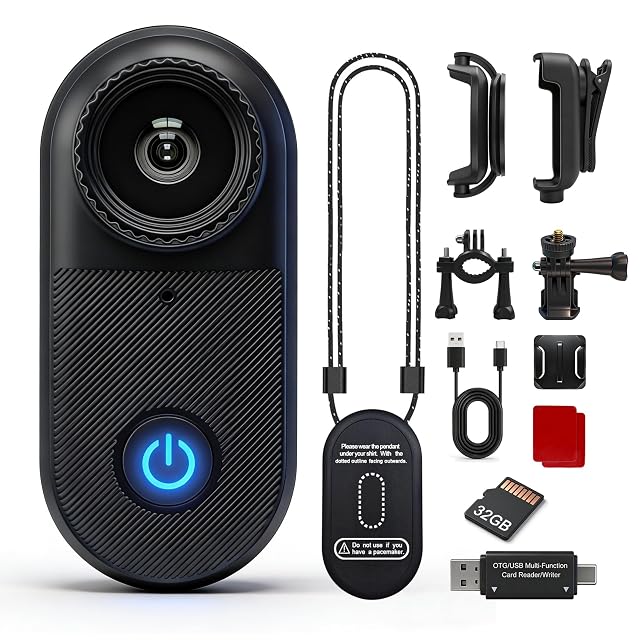
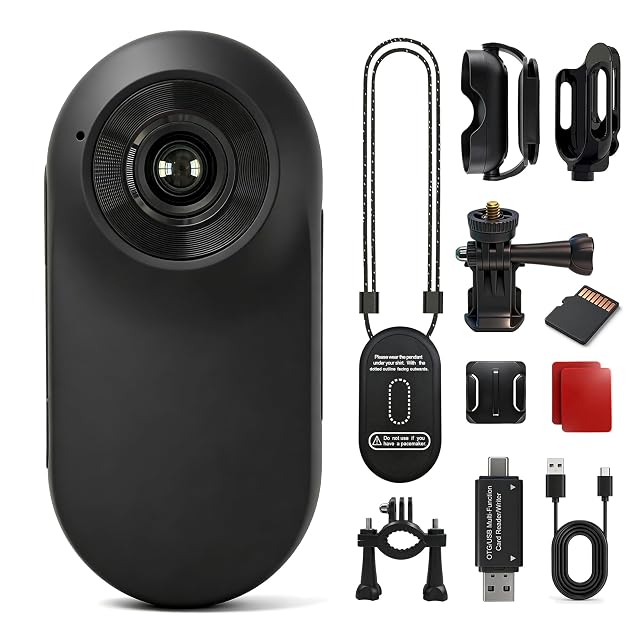
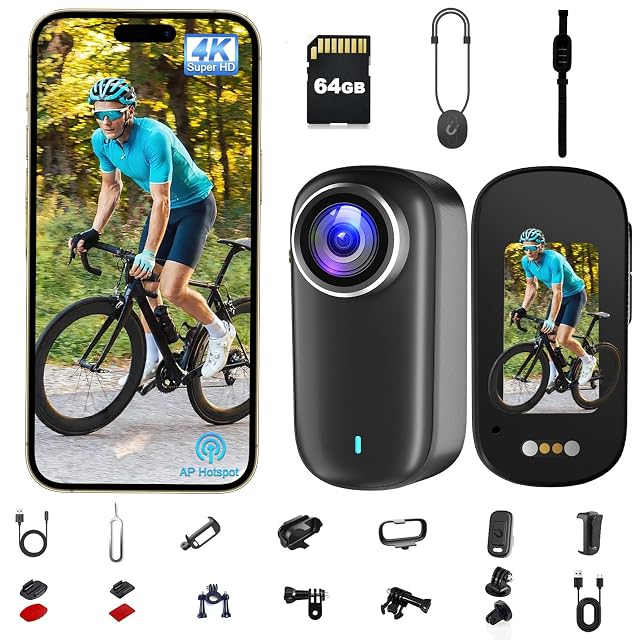
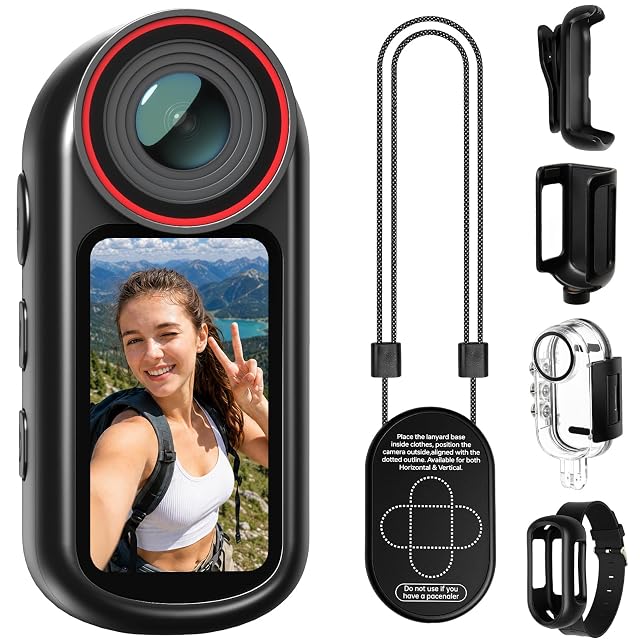
A camera on a motorcycle is bought for one of two quite different jobs, and they lead to different products. Either it is a dash camera that runs whenever the machine runs, loops over old footage and exists to record an incident; or it is an action camera that is switched on for a ride worth keeping. The first is judged on reliability and on loop recording that does not need a button pressed; the second on image quality and stabilisation. A product that claims to be both usually is not, and the specification says which it is: continuous power input and loop recording point one way, a removable battery and high frame rates point the other. The figures that matter on a motorcycle specifically are not the ones printed largest. Waterproofing, published as an IP rating or a submersion depth, and whether that applies with the charging port open — a camera wired for power has a cable entering it, and makers who have solved that publish how. Mounting, which on a helmet is a question of adhesive or strap and, in some countries, of local rules the rider should check; on the machine it is a clamp sized to a bar diameter. Power, whether it runs from the machine and what happens when the ignition is switched off. And storage: the card type and maximum size supported, and whether the card is rated for continuous writing. We compare loop recording, stabilisation, published waterproofing and its conditions, mounting, power options, battery life and storage support.